
Ensure Customer Success™
KARSAJ CONTENT
- Strategy
- Design
- Development
- Marketing
- Automation
About Us
Helping organizations communicate clearly, effectively, and at scale, with stellar content.
We partner with technical and non-technical organizations to create clear, concise, and purposeful digital content that supports growth, adoption, and long-term success. Our work spans content strategy, design, development, and delivery — helping organizations reach, engage, and support customers and stakeholders across local and global markets with precision.
We begin by fully understanding your business objectives, operating environment, and audience needs. From there, we design and deliver communications solutions that are practical, sustainable, and built to leverage widely available tools — so your teams and customers are empowered long after delivery. For more than two decades, we have worked across the full spectrum of digital communications.
We bring experience, precision, and care to every engagement. Our focus is always on delivering the right content, to the right audience, at the right time — extending your reach, improving clarity, and reducing friction for all users and stakeholders.
Our Areas of Expertise
- Hardware and software documentation
- Knowledge Management and Information Development
- Cybersecurity policies, standards and guidelines
- UX writing and content design
- Instructional design and eLearning
- Strategic Communications
- Public Relations and White Papers
- Proposal Coordination and Development
- Digital marketing and SEO
What We Deliver
Communications Content
Corporate communication manages and coordinates messaging between an organization and its internal and external stakeholders — employees, executives, investors, media, and the public — to build a consistent brand voice, protect reputation, and support business objectives.
- Internal Communications: Employee newsletters, intranet content, leadership memos, and change management messaging that keep staff informed and aligned.
- Executive Communications: Speeches, talking points, board materials, and thought-leadership content that reflect leadership's voice and vision.
- Media and Public Relations: Press releases, media kits, statements, and spokesperson support to manage external narrative.
- Crisis and Issues Communications: Prepared statements, response protocols, and messaging frameworks to protect reputation during sensitive situations.
- Brand Governance: Style guides, tone-of-voice standards, and messaging frameworks that ensure consistency across every channel.
Marketing communication (MarCom) encompasses all the messages and media you use to communicate with your market — advertising, direct marketing, branding, public relations, social media, and more. The primary objectives are to:
- Create and sustain demand and preference for your product or service.
- Shorten the sales cycle by assisting your sales team in identifying, engaging, and delivering customers.
It involves a strategic mix of the 4 Ps for goods and the 7 Ps for services.
Multimedia communication combines text, audio, images, animation, and video to create cohesive, meaningful messages that engage multiple senses.
- Visual Storytelling: High-quality visuals convey information and evoke emotion more effectively than text alone.
- Auditory Enrichment: Sound effects, voiceovers, and ambient sounds add depth and meaning.
- Interactive Engagement: Quizzes, polls, and clickable content transform viewers into active participants.
Strategic communication involves deliberate planning, execution, and evaluation of communication efforts to achieve specific organizational goals.
- Goal Setting: Defining clear, measurable objectives.
- Audience Analysis: Understanding your target audience to tailor messages.
- Message Development: Crafting messages that resonate and prompt the desired response.
- Channel Selection: Choosing the most appropriate media and platforms.
- Evaluation: Assessing effectiveness and adjusting accordingly.
Technical communication conveys complex information in a clear, concise, and accessible manner — essential for helping users understand and effectively use products, systems, or services.
- Technical Writing: User manuals, how-to guides, and documentation.
- Visual Communication: Diagrams, charts, and illustrations that support written content.
- Instructional Design: Training materials and e-learning modules.
- UX Writing: Ensuring information is easy to find and understand.
Training communication encompasses the methods and practices used to convey information and instructions during training sessions — aimed at enhancing the learning experience.
- Clarity: Instructions and information that are clear and easy to understand.
- Engagement: Interactive methods such as discussions, role-playing, and multimedia.
- Feedback: Constructive feedback that helps trainees improve.
- Adaptability: Communication styles tailored to diverse trainee needs.
Core Content Services
Frequently Asked Questions
Content strategy is the comprehensive planning, creation, management, and governance of content to achieve specific business goals. Key components include:
- Goal Setting: Defining clear objectives such as increasing brand awareness or generating leads.
- Audience Research: Understanding the needs, preferences, and behaviors of your target audience.
- Content Audit: Evaluating existing content to identify gaps and opportunities.
- Content Planning: Creating a content calendar that outlines what, when, and by whom.
- Content Creation: Developing high-quality content that aligns with your goals.
- Distribution: Choosing the right channels — social media, blogs, email newsletters, etc.
- Measurement: Analyzing performance and making necessary adjustments.
Content design is a multidisciplinary approach to creating, structuring, and presenting content in a way that effectively communicates information and meets user needs. Key principles include:
- Clarity: Easy to understand and free of jargon.
- Accuracy: Correct and reliable information.
- Context: Relevant to the user's situation.
- Transparency: Open and honest communication.
- Cohesiveness: Consistent tone and style across all content.
- Inclusivity: Accessible to all users, regardless of abilities.
Content development is the end-to-end process of planning, creating, distributing, and managing content to achieve business goals. Key steps include:
- Goal Setting: Defining clear objectives for what content should achieve.
- Audience Research: Understanding needs, preferences, and behaviors.
- Content Planning: Creating a calendar for what, when, and by whom.
- Content Creation: Blog posts, videos, infographics, and more.
- SEO Optimization: Optimized for search engines to increase visibility.
- Distribution: Sharing through social media, email, websites, and more.
- Performance Tracking: Measuring effectiveness and making adjustments.
Content marketing is a strategic approach focused on creating and distributing valuable, relevant, and consistent content to attract and retain a clearly defined audience — with the ultimate goal of driving profitable customer action.
- Content Creation: Blog posts, videos, infographics, podcasts, and social media posts.
- Audience Engagement: Content that resonates and addresses the audience's needs.
- Distribution: The right channels to reach your audience.
- Measurement: Data-driven adjustments based on performance analysis.
Marketing automation uses software and technology to automate repetitive marketing tasks across multiple channels — streamlining efforts, improving efficiency, and enhancing the customer experience.
- Automated Campaigns: Email, social media, and other communications triggered by predefined schedules or behaviors.
- Lead Management: Capturing, nurturing, and scoring leads to move them through the sales funnel.
- Personalization: Delivering personalized content based on customer behavior and preferences.
- Analytics and Reporting: Tracking campaign performance to measure ROI and guide decisions.
How We Work
Our Main Toolset
We use industry-leading platforms to produce and deliver world-class content — and many more beyond these.
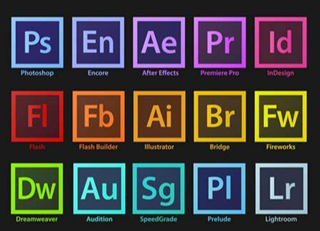 Adobe
Adobe
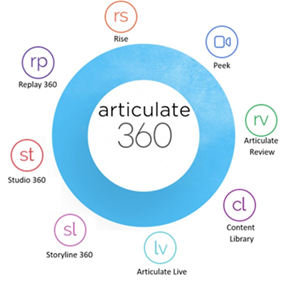 Articulate
 Confluence
 HubSpot
 Jira
Jira
 Klaviyo
 MadCap Flare
 Mailchimp
 Microsoft
 Salesforce
 TalentLMS
 Zendesk
Get in Touch
Send Us a Message
Let's work together.
Whether you need a full content strategy or a single deliverable, we're ready to help you communicate with clarity, purpose, and impact.
📞 1 (437) 700-0966 📅 Schedule a Free Consultation